

The Warning Label Plants Don't Have
Read this before you place your spring plant order.

It’s that time of year. Catalogs are scattered on the table. Inboxes bulge with colors of spring and summer to erase the monotone vibe we sat with all winter. Carts are filling up. Garden beds are being mentally redesigned while you sip your morning coffee.
But before you click “checkout,” there’s something nurseries won’t tell you—something that doesn’t fit on a plant tag.
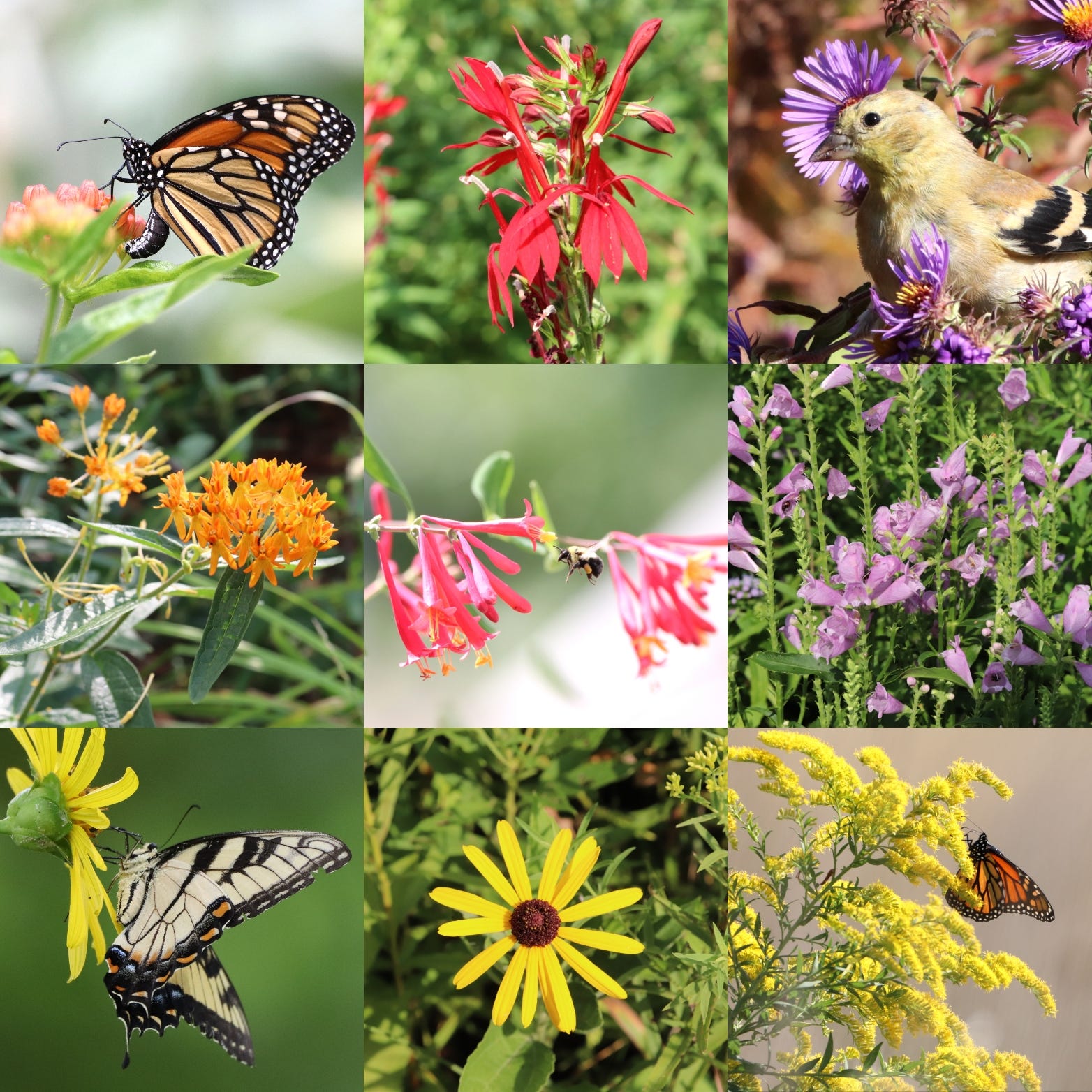
WARNING: These plants may disappoint you at first.
Not because they’re failing.
Because they’re working on something bigger.
Gardening has seen a tremendous shift from where it all started. The more manicured it was, the more people craved it. The more clipped up, shaped up, and pristine—the better. But with all that control came consequences.
What happened to the nature that was here first?
Butterflies became more difficult to find on a summer day. Bees followed. Birds struggled to find what was familiar as the plants they’d evolved with were replaced by ones they didn’t recognize. Birds who nest in cavities like old fence posts or rotting trees scrambled to find suitable nest sites.
The Long Game is a Much Harder Sell
When native plants feel slow, it isn’t because they aren’t working. It’s because they’re building relationships. Ones you can’t see yet. Roots are strengthening.
Plants in full bloom fly off the shelves. Something instant. Something impressive right away. Ready to go right then and there. But that's all it is. A PLANT. I used to live under that same umbrella: trim and tame, manicured even. Buy it already in bloom. That was the old me. But not anymore.
Native plants aren’t built for instant gratification. They’re built for the long game. They are not failing. They are only failing to be understood. They don’t offer results immediately. They offer presence. And that’s when you realize what’s been missing all along.
Then one day you look outside and you can’t get enough of the wings, the insects, and the birds that now call your home their home too.
Stop Calling Them Weeds
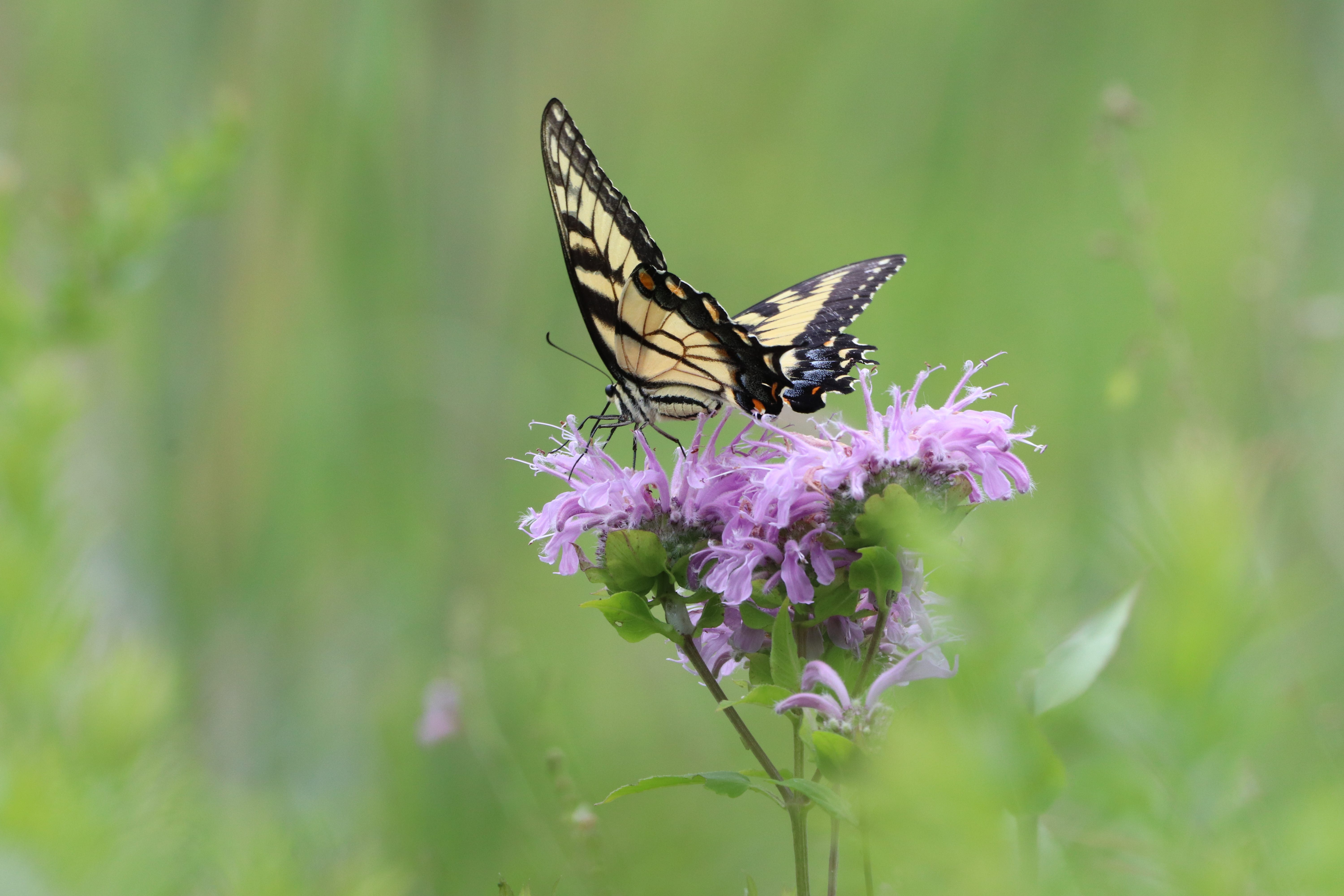
If you’re thinking about re-wilding your garden, stop believing that native plants are weeds. It’s just a name! We don’t think of starfish as fish. So why call butterfly weed or Joe-Pye weed a weed? That’s just silliness. And sneezeweed? Um, no.
Native plants have funny names just like birds do. Magnolia warblers don’t live in magnolias. Tennessee warblers don’t even stay in Tennessee. An unusual and maybe accidental (and albeit incongruent) connection linked between sighting and place. Same way milkweed was named. It used to be everywhere. There was so much of it in fact, that it was used in life jackets for soldiers during World War II!
So the next time you see a “messy” native garden, remember: it’s not a pile of weeds…it’s a powerhouse. Plain and simple. A re-wilded garden full of natives? That IS CONNECTED. Offering food, shelter, and nectar for pollinators and wildlife. Habitat.
What Changed For Me
I used to think gardening meant taming. Controlling. Cleaning up. Now I know the best thing I can do is step back and watch.
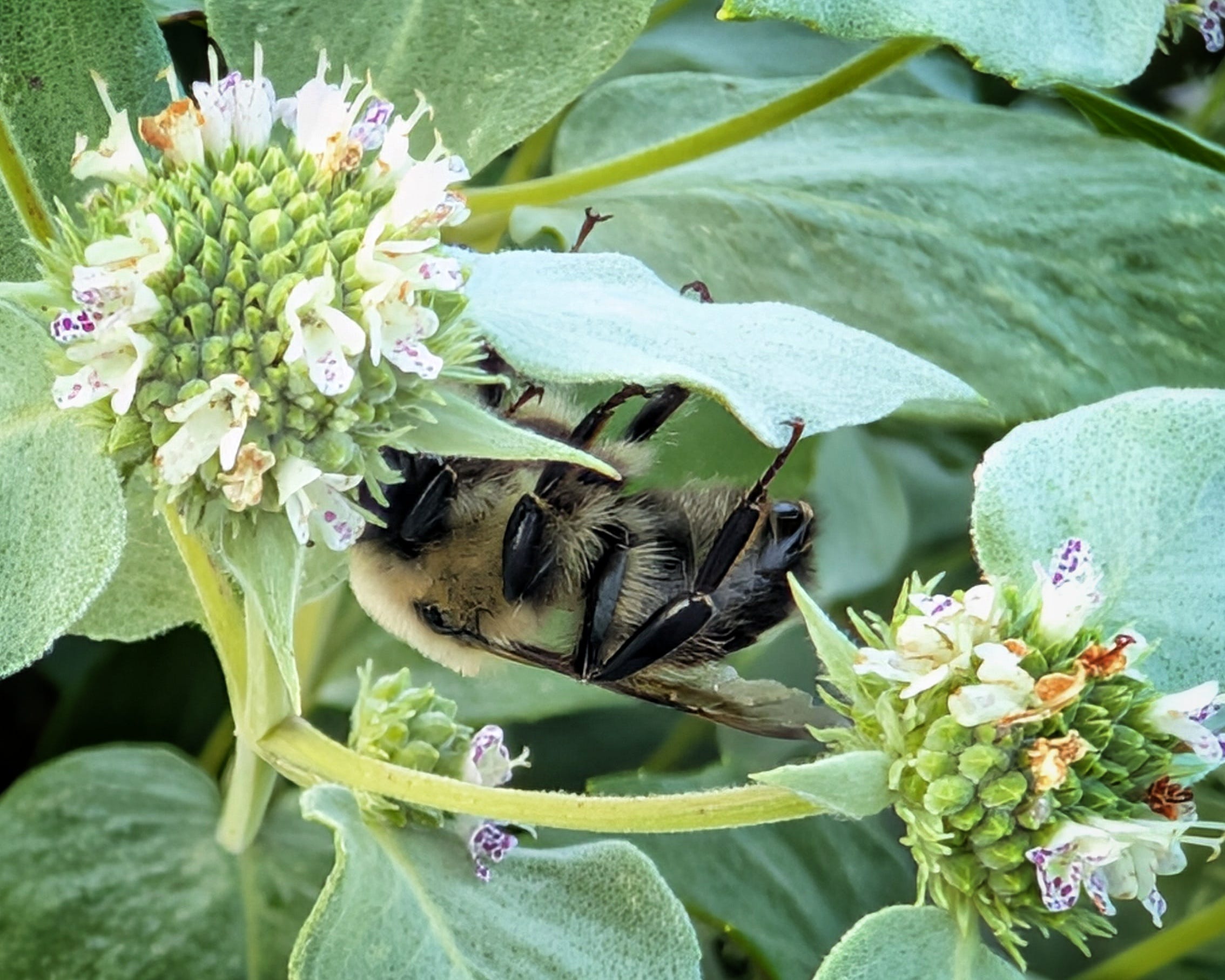
I still tend and care—but the goal is connection, not control. Beyond the connection bridge comes discovery. I found myself watching bees last summer like it was a meditative practice. Watching a bee sleep under mountain mint? Magical.
Where leaves fall, I leave them. If a new flower skips the bed and wants to grow, I let it. Native plants offer what traditional cookie-cutter landscapes cannot: vibrancy, resilience, and the return of life.
Letting nature lead has brought more color, more movement, and more wonder than I ever expected.
So before you upgrade those garden beds this season, ask yourself: are you gardening for decoration, or are you gardening for connection?
What’s something you’ve stopped doing in your garden since letting nature take the lead?
I've stopped clearing all the 'weeds' Unless it's invasive and causing a problem (like nettles or thistles) I leave it to it's own devices. I've had some beautiful flowers emerge thanks to that one change. Also nettles and thistles have their homes in my space too... just not in the pretty flower borders!