

Small Space, Big Impact
You don't need acres of land to plant for pollinators, but you do need to do this ONE thing

If butterflies can find the High Line on Manhattan’s West Side, then they can find your patio or garden. Every patch of little blue stem, coneflower or patch of milkweed helps…this Autumn, start where you are. But first, remember this:
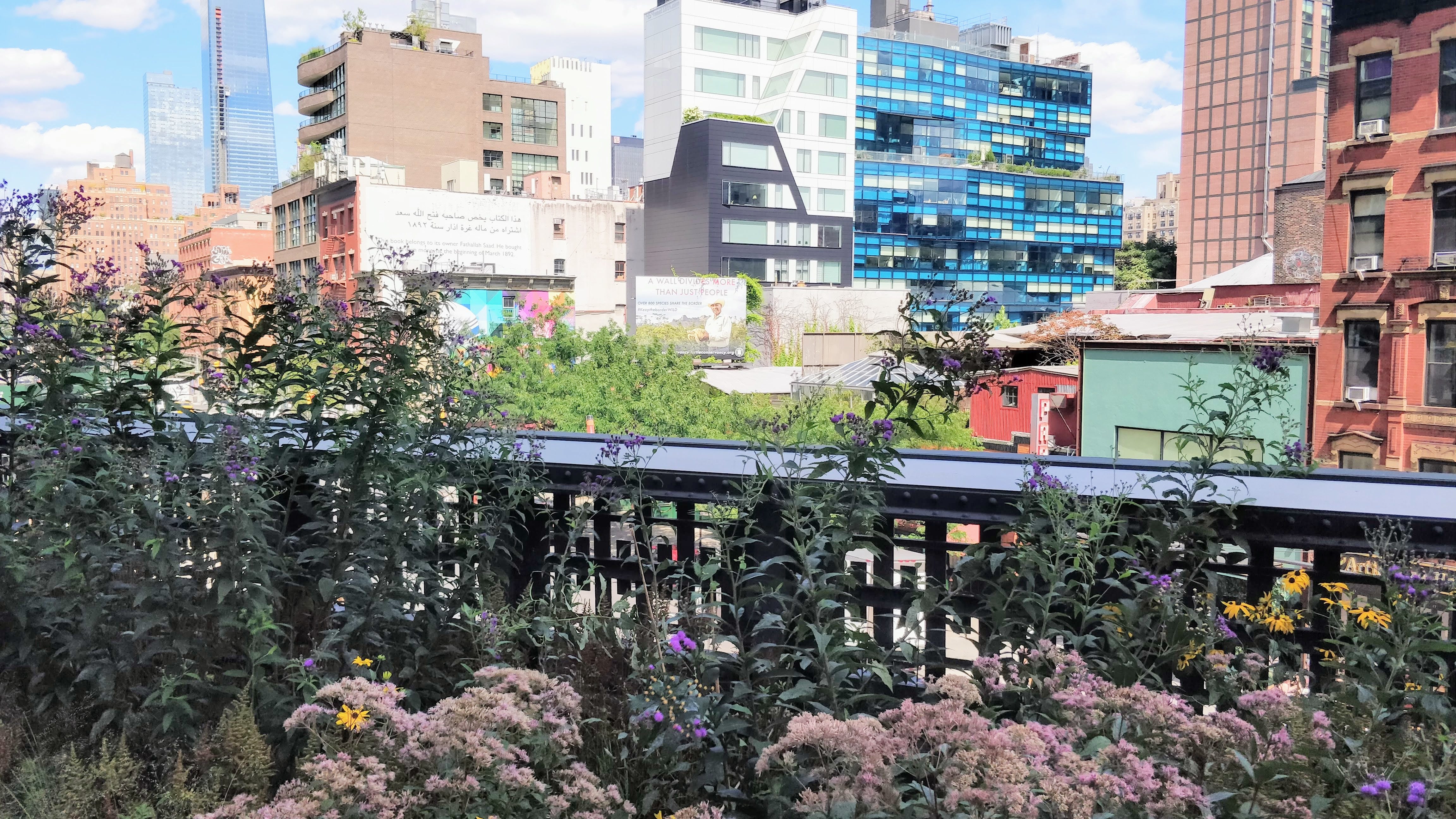
You don’t need acres to help pollinators. You just need to see your space for what it is — part of something bigger. Native plants are resilient by nature: requiring less care and watering. But there is one crucial key no matter how large or small your garden.
Here’s the key: mimicking its natural environment as closely as possible.
In other words, don’t put your plants in a Halloween costume and bring them to a summer picnic. It won’t suit them, or the vibe of the party (your garden). Plants are happiest in the setting they prefer. That’s why it’s crucial to begin at their level: the ground.
Whether you’re tucking plants into a side yard, a patio container, or the strip along your driveway, every native plant supports something — a bee, a moth, an insect, a caterpillar, a butterfly, or a bird.
When you plant, you’re joining an ecosystem in progress, not just filling space. This is why it is important to do a little homework and focus on mimicking what the plant thrives in naturally “in the wild”.
Look Before You Plant.
Before you dig observe and notice. Spend a few hours over time watching your space.
How much sun does it really get?
Is the soil dry, or does it hold moisture? Is it sandy or clay?
What’s nearby — trees, lawn, concrete, native woods?
Match your plants to their story,
not to your wish list...and they will thrive.
Plants thrive where conditions match their origins. Wild geranium belongs in dappled woodland shade. Black-eyed Susans love sun and dry soil. Eastern red columbine thrives in shaded areas with moisture. I planted some columbine in a garden (I literally just sprinkled some seeds in the soil) near a boulder that we keep filled with water for birds. So you see? I am mimicking its natural preference, as if it was in its “wild” habitat.
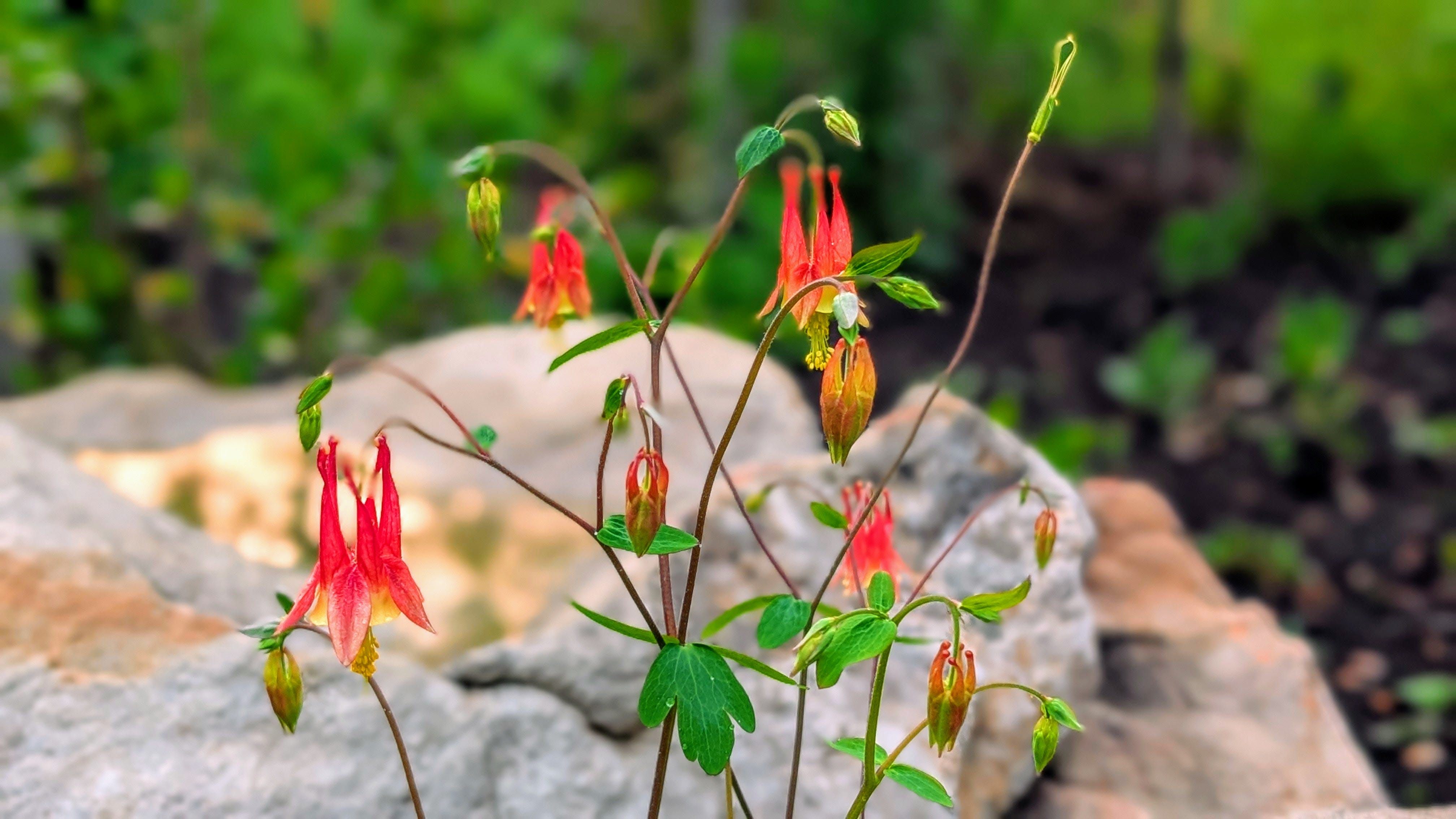
Want to learn even more? I created a quick one-pager for you. Okay, it is actually 2 pages! This small document packs a lot of information into a small space. Just like your garden, patio, or small yard can do too!
I hope you enjoy this tiny tip sheet. And remember, you’re not just gardening — you’re participating in something bigger, even when the space is small.
And it all begins right where you are. Even a small patch can make a real difference.
